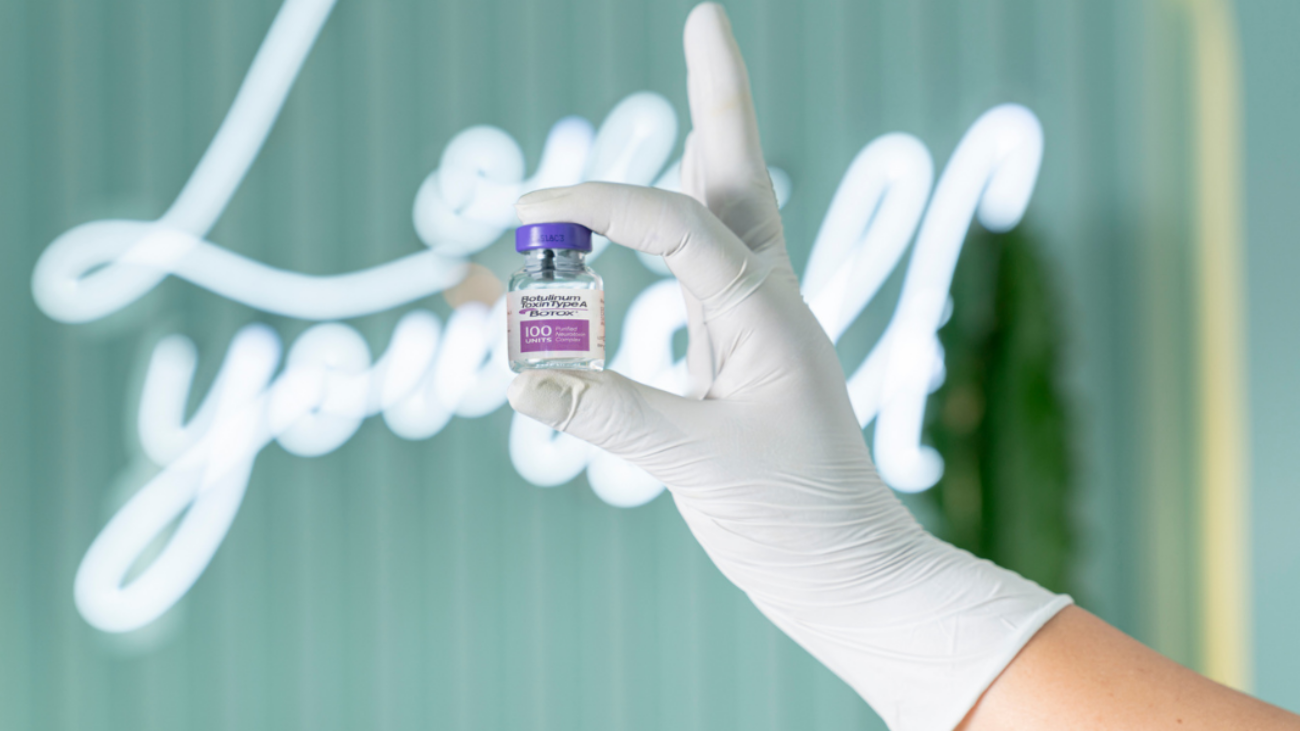
People want to understand what they are paying for, how the dosing works, and whether the number of units their friend received will apply to them. All of that is fair. Botox is priced by the unit in most practices, which makes the unit count both a clinical decision and a budgeting one.
This guide walks through the standard Botox unit ranges for the most commonly treated areas, the variables that shift those numbers up or down, and what the process looks like from consultation to follow-up. The goal is to help you arrive at your appointment informed and confident rather than guessing.
A quick primer on how Botox units work
Botox is measured in biological units of activity. One unit represents a standardized amount of botulinum toxin type A, the purified protein that temporarily relaxes targeted muscles. The number of units placed in a given muscle determines how much relaxation occurs and how long the effect lasts.
A smaller muscle near the eyes requires fewer units to calm its movement. A large, powerful muscle like the masseter along the jawline needs considerably more. Your injector accounts for muscle thickness, skin quality, the depth of existing lines, and the finish you want before selecting a dose. That is why two people sitting in the same waiting room can receive very different treatment plans and both walk out with results that look equally natural.
Typical unit ranges by treatment area
The following ranges reflect FDA-approved dosing where applicable and widely accepted clinical guidelines for off-label areas. Your provider may adjust above or below these ranges based on your individual assessment.
| Treatment area | Typical unit range | What it addresses |
| Forehead lines | 10 to 30 units | Horizontal creases that form when raising the brows |
| Glabellar lines (the elevens) | 20 units (FDA) | Vertical furrows between the eyebrows caused by the corrugator and procerus muscles |
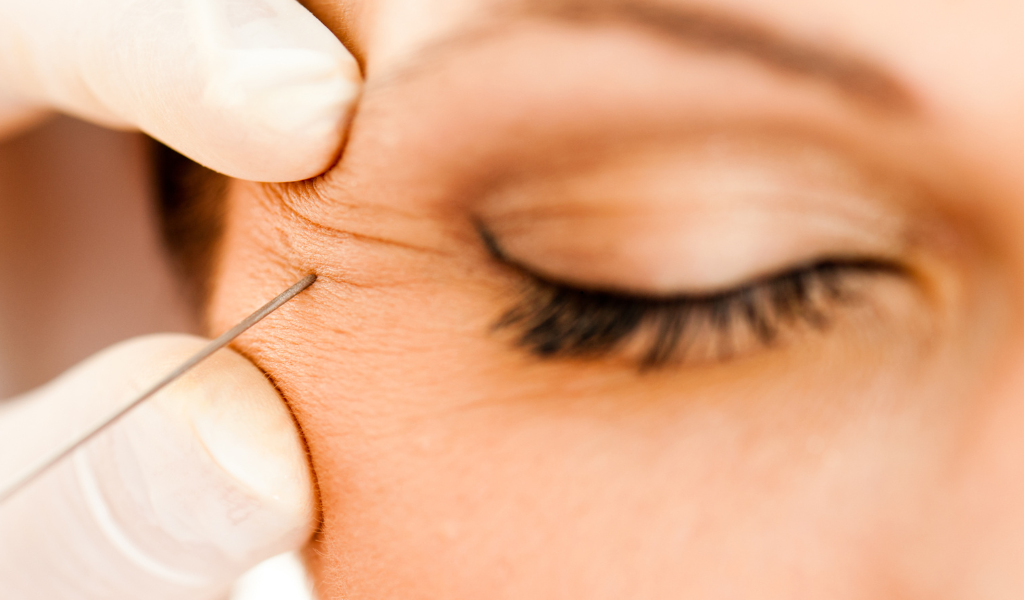
| Crow’s feet | 24 units (FDA) | Fan-shaped lines at the outer corners of the eyes, 12 units per side |
| Bunny lines | 4 to 10 units | Fine wrinkles on the bridge of the nose when scrunching |
| Brow lift | 2 to 6 units | Strategic placement to subtly elevate the tail of the brow |
| Lip flip | 4 to 8 units | Relaxes the orbicularis oris so the upper lip rolls slightly outward |
| Chin dimpling | 2 to 6 units | Smooths a pebbled or dimpled chin texture from overactive mentalis |
| Masseter (jawline slimming) | 20 to 40 units per side | Reduces bulk in the jaw muscle for a softer facial contour or to ease clenching |
| Neck bands | 10 to 30 units | Softens vertical platysmal bands for a cleaner jawline profile |
| Hyperhidrosis (underarms) | 50 units per side (FDA) | Reduces excessive sweating by blocking nerve signals to sweat glands |
A client who treats the forehead, glabellar complex, and crow’s feet in a single visit will typically use around 40 to 64 units total. The FDA-approved combined dose for all three upper face areas is 64 units. Someone adding masseter treatment for jawline contouring would add 40 to 80 units on top of that. These numbers illustrate why the total cost of Botox varies so much from person to person.
Why your number may differ from someone else’s
Dosing is personal. Two clients of similar age can need different amounts based on factors that are visible only during a hands-on assessment. Here are the variables that matter most.
Muscle strength and size
Thicker, more developed muscles require more product to achieve the same degree of relaxation. A person who furrows their brows forcefully throughout the day has built stronger corrugators than someone with a lighter expression pattern. Men frequently need higher doses in the forehead and glabella because male facial musculature tends to carry more mass.
Treatment history
First-time clients often start with a conservative dose so the injector can observe how the muscles respond. Over time, consistent treatment can weaken the targeted muscles gradually, which may reduce the number of units needed at subsequent visits. This is one reason why long-term Botox clients sometimes find their maintenance dose decreasing rather than climbing.
Desired outcome
Some clients want a significant reduction in movement for a very smooth finish. Others prefer a lighter touch that softens lines while preserving full expressiveness. A lighter look uses fewer units. A smoother finish uses more. Neither approach is better. Both are valid choices, and your injector should respect whichever direction you prefer.
Metabolism and lifestyle
People with faster metabolisms, especially those who exercise intensely and frequently, sometimes metabolize Botox more quickly. That can mean shorter duration of results rather than a need for more units per session, though your provider may adjust timing or dosing accordingly.
Age and skin condition
Younger skin with early dynamic lines may respond beautifully to a lower dose. Deeper, more established creases sometimes benefit from combining Botox with complementary treatments like dermal fillers in Roseville to address the volume component that Botox alone cannot correct.
The upper face explained: where most first-timers begin
The forehead, the glabella, and the crow’s feet are the most frequently treated areas with Botox and the only three with full FDA approval for cosmetic use. Understanding how they relate to each other helps explain why experienced injectors almost always treat the forehead and glabella together.
The frontalis muscle raises your brows. The corrugator and procerus muscles pull them down and inward. If you relax the forehead without addressing the glabella, the depressor muscles can dominate, pulling the brows downward and making you look heavier around the eyes. Treating both areas in balance maintains a natural brow position and avoids the unintended heaviness that can occur with isolated forehead treatment.
Crow’s feet can be treated independently or as part of a full upper face session. The FDA-approved protocol combines all three areas at 64 units: 20 for the forehead, 20 for the glabella, and 24 for the crow’s feet. Many clients find that this combination creates a cohesive, rested look across the entire upper face rather than one smooth zone next to an untreated one.
Beyond the upper face: masseter, chin, and neck
Clients at Bodyvine Aesthetics increasingly ask about Botox treatments in Roseville that go beyond forehead smoothing. The masseter is one of the most popular off-label areas. By relaxing this powerful chewing muscle, Botox can slim a square jawline over the course of several weeks and relieve tension from clenching or grinding. Dosing typically starts at 20 to 30 units per side for cosmetic contouring, with higher amounts for significant hypertrophy or bruxism-related discomfort.
Chin dimpling responds well to small, precise doses in the mentalis muscle. Neck bands caused by platysmal pull can be softened with careful placement along the visible cords. Both of these areas use relatively few units, but precision matters enormously because even a slight misplacement can affect swallowing or the appearance of your smile. This is where your injector’s understanding of anatomy makes the difference between a refined result and an uncomfortable one.
What happens during your consultation
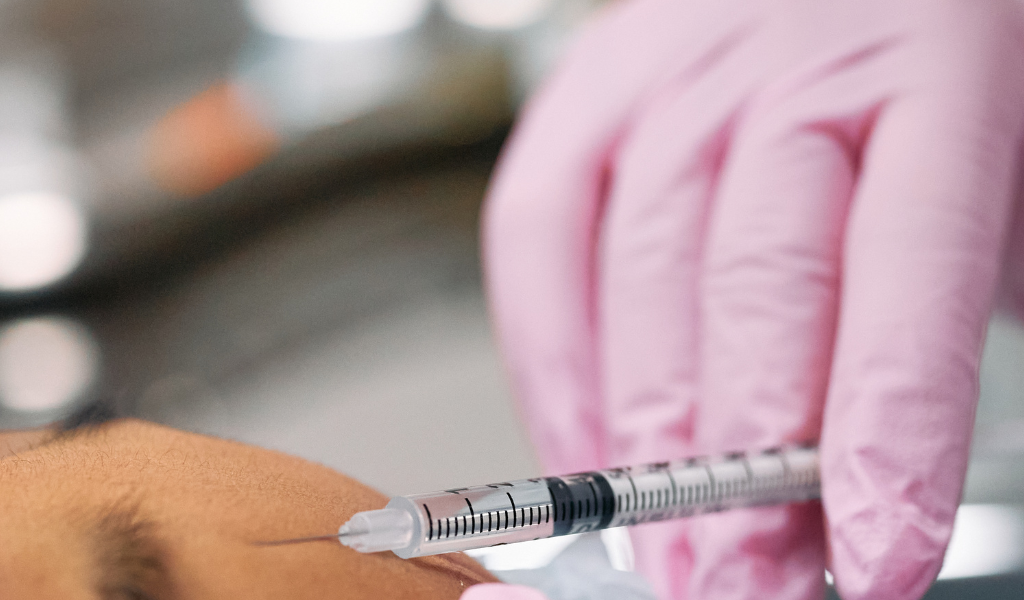
At Bodyvine Aesthetics, every Botox appointment begins with a detailed facial assessment. Your provider will ask you to make a few expressions so they can observe your movement patterns, brow position, and muscle dynamics in real time. This is when the dosing plan takes shape.
The areas that will benefit from treatment, the number of units recommended for each, and the expected cost are discussed before you receive a single injection. If your goals would be better served by pairing Botox with another approach, such as skin resurfacing with laser in Roseville for texture improvement or microneedling in Roseville CA for collagen stimulation, that recommendation will come with an explanation of why and a realistic timeline.
Your plan is documented so that future visits remain consistent. Over time, your provider develops an increasingly precise understanding of how your muscles respond, which makes every subsequent session more efficient.
| A note on pricing transparency Botox is typically priced per unit. Your total cost depends on how many units your treatment plan requires. At Bodyvine Aesthetics, the recommended dose is outlined before any injections are placed so you can make a fully informed decision. We also help clients map out a twelve-month treatment calendar for easier budgeting across sessions. |
How results develop and how long they last
Botox begins working within a few days of injection. Most clients see clear softening by day seven to ten, with peak effect arriving around the two-week mark. This is why timing your Botox before a special event works best when you schedule the appointment two to four weeks ahead.
Results typically last three to four months. As the product metabolizes, movement returns gradually. Scheduling your next appointment before the previous dose fully wears off can help maintain smooth results and may, over time, reduce the total units needed because the muscles remain partially relaxed between sessions.
A comprehensive review published in Plastic and Reconstructive Surgery found that patient satisfaction with botulinum toxin type A consistently ranged from 65 to over 90 percent across all facial treatment areas studied, with the highest scores reported when dosing was tailored to individual anatomy rather than applied as a fixed number.
Common mistakes people make with Botox dosing
Choosing a provider based on the lowest price per unit sometimes leads to under-dosing, which produces subtle results that fade quickly and leave clients feeling like the treatment did not work. Conversely, over-treating the forehead without balancing the glabella can create a heavy, drooping brow.
Another common misstep is comparing your unit count to someone else’s. The person in the online review who used 20 units for a perfectly smooth forehead may have thinner muscles, lighter expression patterns, or a completely different facial structure. Their number tells you very little about what yours will be.
- Ask your provider to explain the plan, not just the total. Understanding which muscles are being treated and why each dose was selected gives you more control over your results and makes future adjustments easier.
- Schedule a two-week follow-up after your first treatment. This check-in lets your provider assess how your muscles responded and apply a small touch-up if needed. It also creates a baseline for more accurate dosing at your next visit.
Combining Botox with other treatments for a more complete result
Botox relaxes muscles. It does not add volume, improve skin texture, or tighten lax tissue. That is why many clients layer their treatment plan with complementary services that address what Botox cannot reach.
Dermal filler treatments in Roseville CA restore lost volume in the cheeks, lips, or under-eye hollows. Chemical peels at Bodyvine Aesthetics address surface-level dullness, fine lines, and uneven tone. For clients interested in building collagen at a deeper level, RF microneedling in Roseville creates controlled micro-channels that trigger the skin’s repair process over several weeks.
When Botox and these supporting treatments are planned together, each one performs better because they target different layers and mechanisms of facial aging. Your provider can map out a sequence that spaces treatments appropriately and avoids unnecessary overlap.
Frequently asked questions
How many units does a first-time Botox patient usually need?
It depends entirely on which areas you want treated. A client focusing on the glabellar lines alone may need 20 units. Someone treating the full upper face (forehead, glabella, and crow’s feet) will likely use 40 to 64 units. Your provider will recommend a starting dose during consultation and adjust at your follow-up.
Will I need more units as I age?
Muscle mass can change with age, and skin elasticity plays a role in how lines present. However, long-term clients who maintain a consistent treatment schedule often find that their muscles require the same amount or even less over time because the fibers gradually weaken from sustained relaxation.
Do men need more Botox than women?
Generally, yes. Male foreheads tend to be broader with thicker musculature, which means higher unit counts for equivalent smoothing. Dosing for men is customized to preserve a strong, natural appearance rather than an overly relaxed one.
Is there a maximum number of units I can receive?
The FDA notes that the maximum recommended cumulative dose for cosmetic Botox is 400 units within a three-month interval. In practice, most aesthetic treatments fall well below that ceiling. Your provider will stay within safe, evidence-based limits.
What if I do not like my results?
Botox is temporary. If the effect is stronger than you prefer, it will soften over the following weeks as the product metabolizes. If you feel the treatment is too subtle, a small touch-up can be added. Starting conservatively and adjusting is always the safest path, especially for new clients.
Can I combine Botox with fillers at the same appointment?
Yes. Many clients treat multiple concerns in one visit. Botox relaxes dynamic lines while fillers restore volume in Roseville CA. Your provider will determine the best sequence and placement to ensure both products perform optimally.
Find out exactly what your face needs
Reading about unit ranges is useful. Sitting across from an experienced injector who evaluates your specific muscles, your skin, and your goals is where the real clarity happens.
At Bodyvine Aesthetics in Roseville, your consultation includes a full facial assessment, a transparent dosing recommendation, and a clear cost breakdown before any treatment begins. Whether you are exploring Botox for the first time or fine-tuning a routine you have maintained for years, we will meet you where you are and build a plan that feels right.
→ Schedule your personalized Botox consultation here
Your face tells a story. The right Botox plan simply makes sure the lines doing the talking are the ones you actually want there.