
Dissolving dermal filler is a medical procedure in which a provider injects an enzyme called hyaluronidase to break down hyaluronic acid filler that is causing a problem or no longer suits the face. The option is one of the main safety advantages of hyaluronic acid products, because it gives both patient and injector a way back when a result drifts from the plan.
Most people who ask about dissolving have a specific worry in mind, such as a lip that looks fuller on one side a month after treatment or a faint blue shadow under the eyes that concealer will not hide. Some of these concerns call for prompt reversal. Others settle on their own with a little time. This guide explains which fillers can be dissolved, the situations where dissolving makes sense, when waiting is the smarter move, and what the appointment actually involves.
What does it mean to dissolve dermal filler?
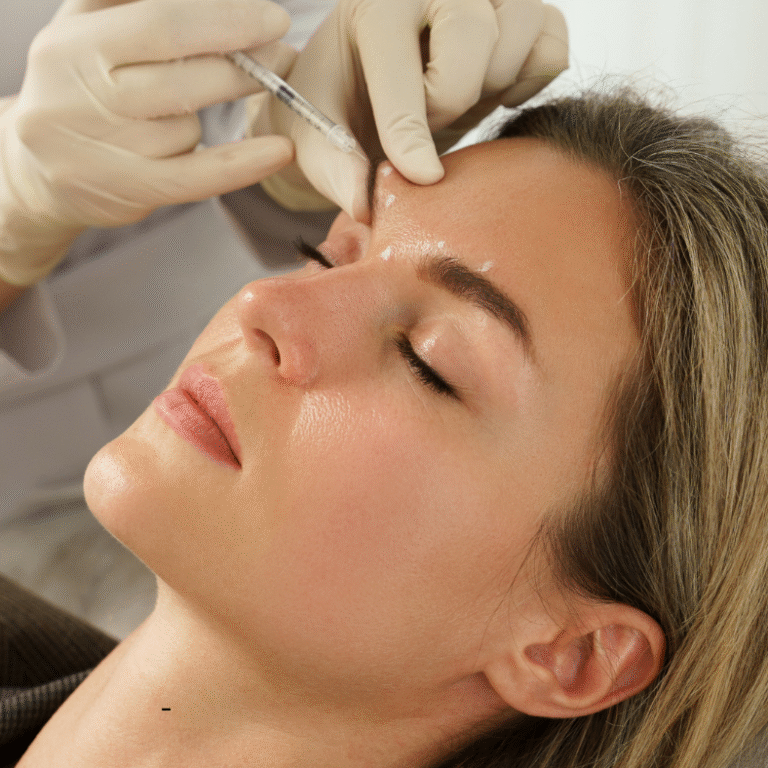
Hyaluronidase is an enzyme that breaks down hyaluronic acid, a sugar molecule found naturally in skin and the main ingredient in most modern dermal fillers. When a provider injects it into an area treated with hyaluronic acid filler, the enzyme cuts the long, cross-linked chains of the gel into smaller fragments that the body absorbs and clears through its normal processes.
In the United States, hyaluronidase is FDA-approved for other medical uses, such as helping injected fluids and medications disperse through tissue. Its use for dissolving cosmetic filler is off-label, a common and well-documented practice in aesthetic medicine that professional guidelines address directly. Clinicians can choose between human recombinant and animal-derived formulations, which differ slightly in strength and allergy profile.
Dissolving can be complete or partial. A provider may use a small, targeted amount to soften an overfilled area while leaving the rest of the result in place, or a larger amount to clear an area entirely before starting again.
Which fillers can be dissolved?
Hyaluronidase works only on fillers made from hyaluronic acid. That group includes most lip, cheek, chin, jawline, and under-eye fillers used today, including the Juvéderm, Restylane, RHA, and Belotero product families. If you are unsure what was used in a previous treatment, your treatment record or the product sticker from your original clinic will confirm it.
Other injectables rely on different materials and follow different rules. Sculptra in Roseville is made from poly-L-lactic acid, which stimulates your own collagen gradually and cannot be dissolved with an enzyme. Calcium hydroxylapatite fillers such as Radiesse fall into the same category. Plasma-based options such as EZ Gel biofiller in Roseville are made from your own blood, and the body breaks them down naturally over the following months. With these products, correcting an unwanted result depends on time and on medical management chosen case by case, which is one reason careful planning before treatment matters so much.
When should dermal fillers be dissolved?
Dissolving is usually considered in two broad circumstances. The first is a medical complication that needs to be reversed. The second is an aesthetic result that no longer looks right and will not improve with time. The sections below cover the situations providers see most often.Is it a vascular emergency?
A vascular occlusion occurs when filler enters or presses on a blood vessel and restricts blood flow to the surrounding skin. It is the most serious complication of filler treatment and the one situation where dissolving is urgent. Hyaluronidase is the first-line treatment, and injectors who use hyaluronic acid filler keep it on hand for this reason. Occlusions are rare. In a study of 370 board-certified dermatologists who together reported 1.7 million syringes of filler, researchers recorded one occlusion for every 6,410 syringes injected with a needle and one for every 40,882 injected with a blunt cannula. Because the risk never falls to zero, it helps to know the warning signs. Contact your injector immediately if you notice any of the following after a filler appointment:- Blanching. A patch of skin near the injection site turns white or pale and does not regain its normal color.
- Escalating pain. Discomfort becomes severe or keeps building over the hours after treatment, well beyond ordinary tenderness.
- Color change. A mottled, lace-like purple or dusky gray pattern spreads across the skin.
- Vision changes. Blurred vision or any sudden change in eyesight calls for 911 or the nearest emergency room without delay.
|
A filler emergency cannot wait for a follow-up visit
Vascular occlusion responds best when hyaluronidase is given quickly, ideally within hours. If something looks or feels wrong on the day of treatment or the day after, call your provider rather than waiting to see whether it improves. Clinics that inject filler should have a clear emergency protocol, and it is reasonable to ask about it before your first appointment. |
Has the filler migrated beyond where it was placed?
Migration describes filler that has moved away from its intended position. It shows up most often in the lips, where product can drift above the border and create a soft ridge or puffy shelf over the upper lip, sometimes called a filler mustache. The effect usually becomes more obvious when smiling. Migrated filler will not return to its original place, and because hyaluronic acid can remain in tissue well beyond its expected lifespan, waiting for it to fade may take years. Dissolving the misplaced product and rebuilding the lip conservatively is the usual path.Are there lumps or nodules that will not settle?
Small bumps in the first days after treatment are common and usually reflect swelling or product that has not yet integrated with the tissue. Lumps that remain firm and visible after several weeks are a different matter, and hyaluronidase can break down clumped product quickly. Delayed-onset nodules, which can appear weeks or months after treatment and are sometimes tender or red, often have an inflammatory component. In those cases your provider may treat the inflammation first or alongside dissolving.Is there a bluish tint under the skin?
The Tyndall effect is a blue-gray discoloration that appears when hyaluronic acid filler sits too close to the surface of thin skin. Light scatters as it passes through the gel, giving the area a bluish cast that resembles a shadow or a bruise that never fades. It is most common under the eyes and around the lips. Massage and makeup do little for it, and hyaluronidase is the standard correction.Is under-eye swelling persisting?
The tear trough is one of the most delicate areas to treat. Hyaluronic acid attracts water, and in some people filler placed under the eyes contributes to puffiness that is worse in the morning or after salty meals. Providers call persistent swelling in this zone malar edema, and it can last for months if left alone. Dissolving the product often brings noticeable improvement, and the area can be reassessed afterward for a lighter approach or a different treatment altogether.Does the result look overfilled or out of proportion?
Some faces change gradually through repeated top-ups. Each appointment adds a little volume, and because filler often lingers longer than the months quoted at the time of treatment, the layers accumulate. The result can be a midface that looks heavy or lips that dominate the lower face, a pattern often described as pillow face. Partial dissolving can restore proportion without erasing the benefit of earlier treatment, and it resets the baseline for a more measured plan.Are you preparing for a correction or a fresh start?
Patients sometimes arrive at a new clinic with filler from several previous injectors placed in different layers of the face. When existing product makes it difficult to judge anatomy or place new product accurately, dissolving the old material first creates a clean starting point. The same reasoning applies to anyone who simply prefers their face without filler and wants to reverse treatment ahead of its natural timeline.When is it better to wait?
Many early concerns after filler resolve on their own within days. Swelling and bruising usually peak in the first two to three days, and lips in particular can look uneven while one side settles faster than the other. Small lumps felt under the skin at this stage often soften as the gel absorbs water and blends into the surrounding tissue. Dissolving too early can remove product that would have looked right once the swelling subsided, which then leads to a second round of filler and added cost. For that reason, most injectors ask patients to wait before making a decision about a non-urgent concern. A follow-up appointment gives your provider a chance to judge the settled result and decide between a small adjustment and dissolving based on what the face actually needs. Waiting also makes sense when a result is simply fading. Hyaluronic acid breaks down gradually, and if you like how the filler looks and only wish it were a little softer, time may do the job on its own.|
The two-week rule for non-urgent concerns
Unless there are signs of a vascular problem, most providers recommend waiting about two weeks after filler treatment before judging the result or dissolving any product. Swelling can distort shape and symmetry during that window, and the settled result is the only reliable basis for a decision. |
Which concerns call for dissolving, and which call for patience?
The table below pairs common post-filler concerns with the approach providers usually take. Your provider will confirm the right course during an in-person assessment.| Concern | What you may notice | Typical timing | Usual approach |
|---|---|---|---|
| Vascular occlusion | Pale or mottled skin with severe pain | Minutes to hours after injection | Urgent hyaluronidase, same day |
| Normal swelling | Puffiness and mild unevenness | First 3 to 14 days | Wait and reassess at two weeks |
| Early lumps | Small, soft bumps under the skin | First one to two weeks | Gentle massage if advised, then review |
| Persistent lumps or nodules | Firm bumps that stay visible | Weeks to months | Hyaluronidase, sometimes with other medical treatment |
| Tyndall effect | Blue-gray tint, often under the eyes | Visible once swelling settles | Hyaluronidase |
| Migration | Ridge or shelf beyond the lip border | Months to years | Dissolve, then conservative re-treatment |
| Malar edema | Under-eye puffiness that comes and goes | Weeks to months | Dissolve and reassess the area |
| Overfilled appearance | Heavy midface or oversized lips | Builds over repeated sessions | Partial dissolving to restore proportion |
What happens during a filler dissolving appointment?
A non-urgent dissolving visit begins with an assessment. Your provider examines the area, asks what product was used and when, and reviews your medical history. Allergies matter here, particularly a history of reactions to bee or wasp stings, because the venom of those insects contains a form of hyaluronidase and a sting allergy can raise the chance of reacting to the enzyme. Some providers perform a small skin test before elective treatment. In an emergency, treatment proceeds without delay. The injection itself is quick. Hyaluronidase is placed directly into the filler with a fine needle or cannula, and the amount depends on the product involved and how much of it needs to be removed. Most patients describe a brief sting followed by warmth, and the appointment typically takes less than half an hour.How quickly does hyaluronidase work?
The enzyme begins breaking down filler almost immediately, and many patients notice a difference within the first day. Most of the change is visible within 24 to 48 hours. Denser products or larger volumes sometimes need a second session, which providers usually schedule after the tissue has settled so they can see what remains. Recovery is usually straightforward. Mild swelling at the injection points is common for a day or two, and some people notice temporary itching. Because hyaluronidase can also act briefly on the skin’s own hyaluronic acid, the area may look slightly flatter than expected at first. The body replaces its natural hyaluronic acid quickly, so this deflated look typically resolves within days.Are there risks to dissolving filler?
Hyaluronidase has a long record of safe use in medicine, and serious reactions are uncommon. The main concern is an allergic response, which usually stays local as swelling and redness and only very rarely becomes more widespread. An honest medical history and treatment in a clinical setting keep that risk well managed. Precision is the second consideration. The enzyme acts on any hyaluronic acid filler it reaches, including product you may want to keep, so an experienced injector places it carefully to target only the problem area. Setting clear expectations is part of the process as well. Dissolving returns the area toward its pre-filler state, which includes any volume loss or lines the filler had been correcting. Some patients find it helpful to look at earlier photos before treatment so the outcome feels familiar rather than surprising.Can you get filler again after it has been dissolved?
Yes. Most providers recommend waiting around two weeks after dissolving before placing new filler, which allows swelling to resolve and any remaining enzyme activity to end. Re-treatment often goes better the second time because the plan can respond to what went wrong, for example by choosing a more suitable product placed at a different depth or by spreading a smaller volume across two visits. This is also a good moment to revisit the broader plan. Volume loss in one area is often connected to changes elsewhere, and treating the face as a whole tends to look more natural than correcting individual features in isolation. Our article on the full face approach to facial rejuvenation explains this in more detail, and our guide to looking younger with dermal fillers covers how conservative planning keeps results balanced. For some patients, softening overactive muscles with Botox in Roseville can reduce the amount of filler needed around the mouth and eyes.How can you lower the chance of needing filler dissolved?
The most effective safeguard is an injector with strong anatomical training and the experience to plan conservatively. Two habits on the patient side also help:- Start with less and build gradually. A modest first treatment followed by a review appointment makes it easier to add volume where it is needed than to remove it later.
- Keep a record of every product and appointment. Knowing which filler was used and when helps any future provider plan accurately and act quickly if dissolving is ever needed.
Frequently asked questions
Most patients describe a short sting followed by mild warmth or pressure. Discomfort usually fades within minutes of the injection, and any tenderness afterward tends to be mild.
Yes, as long as the product is hyaluronic acid based. Bring any information you have about the product and treatment date to your consultation, since it helps your provider estimate how much enzyme is likely to be needed.
Your face will return toward how it looked before filler was placed. Some people notice a brief deflated appearance in the first few days while natural hyaluronic acid replenishes. Once the area settles, you and your provider can decide whether to leave it as it is or plan new treatment.
Hyaluronic acid filler can be dissolved at any point after it is placed. For non-urgent concerns, waiting about two weeks allows swelling to settle so the decision is based on the real result. Vascular concerns are the exception and are treated immediately.
Yes. Providers can use small amounts of hyaluronidase to soften a specific area or reduce overall volume while keeping part of the result. Partial dissolving is common for lips and cheeks that look slightly overdone.
Get an honest assessment of your filler
Deciding whether to dissolve filler is easier with an experienced provider examining the area in person. A careful assessment separates concerns that time will fix from those that need treatment, and it gives you a clear plan either way.
At Bodyvine Aesthetics in Roseville, we assess filler placed at our clinic or elsewhere and explain every option before recommending treatment. Clients throughout Placer County visit us for measured injectable care that keeps the face looking like their own.
→ Schedule your filler assessment in Roseville
References
- Alam M, Kakar R, Dover JS, et al. Rates of Vascular Occlusion Associated With Using Needles vs Cannulas for Filler Injection. JAMA Dermatology. 2021;157(2):174-180. https://jamanetwork.com/journals/jamadermatology/fullarticle/2774505
- King M, Convery C, Davies E. This Month’s Guideline: The Use of Hyaluronidase in Aesthetic Practice (v2.4). Journal of Clinical and Aesthetic Dermatology. 2018;11(6):E61-E68. https://pmc.ncbi.nlm.nih.gov/articles/PMC6011868/
- Murray G, Convery C, Walker L, Davies E. Guideline for the Safe Use of Hyaluronidase in Aesthetic Medicine, Including Modified High-dose Protocol. Journal of Clinical and Aesthetic Dermatology. 2021;14(8):E69-E75. https://jcadonline.com/guideline-hyaluronidase-aesthetic